Photo by Jérémy Stenuit on Unsplash
There is a pattern in how people describe returning to Japan. They rarely say they had a great trip. They say the experience kept finding them in unexpected forms. The hotel corridor so quiet it felt curated. The breakfast presented as ceremony. The vendor who handed back change with both hands, as though the transaction itself had protocol. These moments are not accidents. Japan has been building the infrastructure for them for decades, and the result is a destination brand premium that no competing market in Southeast Asia has found a way to match.
The numbers support what visitors already feel. According to the Japan National Tourism Organization’s inbound tourism statistics, average foreign visitor spending has climbed steadily even as some competing Asian destinations saw their hospitality revenue per visitor stagnate or compress. The UNWTO World Tourism Barometer consistently positions Japan among the top performers globally for inbound travel revenue relative to visitor count. Meanwhile, across Southeast Asia, destinations recording visitor highs have often simultaneously reported softening room rates. As the Privilege Press analysis of what Bali’s record arrivals actually signal about SEA’s capacity model showed, volume growth and yield compression can arrive in the same year without contradiction.
The Architecture Behind the Premium
Japan’s travel premium is built on scarcity management at the level of experience, not amenity. The ryokan with a three-month waitlist is not expensive because it has a better bed than a comparable hotel in Phuket. It commands a premium because the entire system around it, from the neighborhood to the food supplier relationships to the staff training lineage, communicates that the experience belongs to a specific cultural grammar that has been maintained with considerable institutional discipline over a long period.
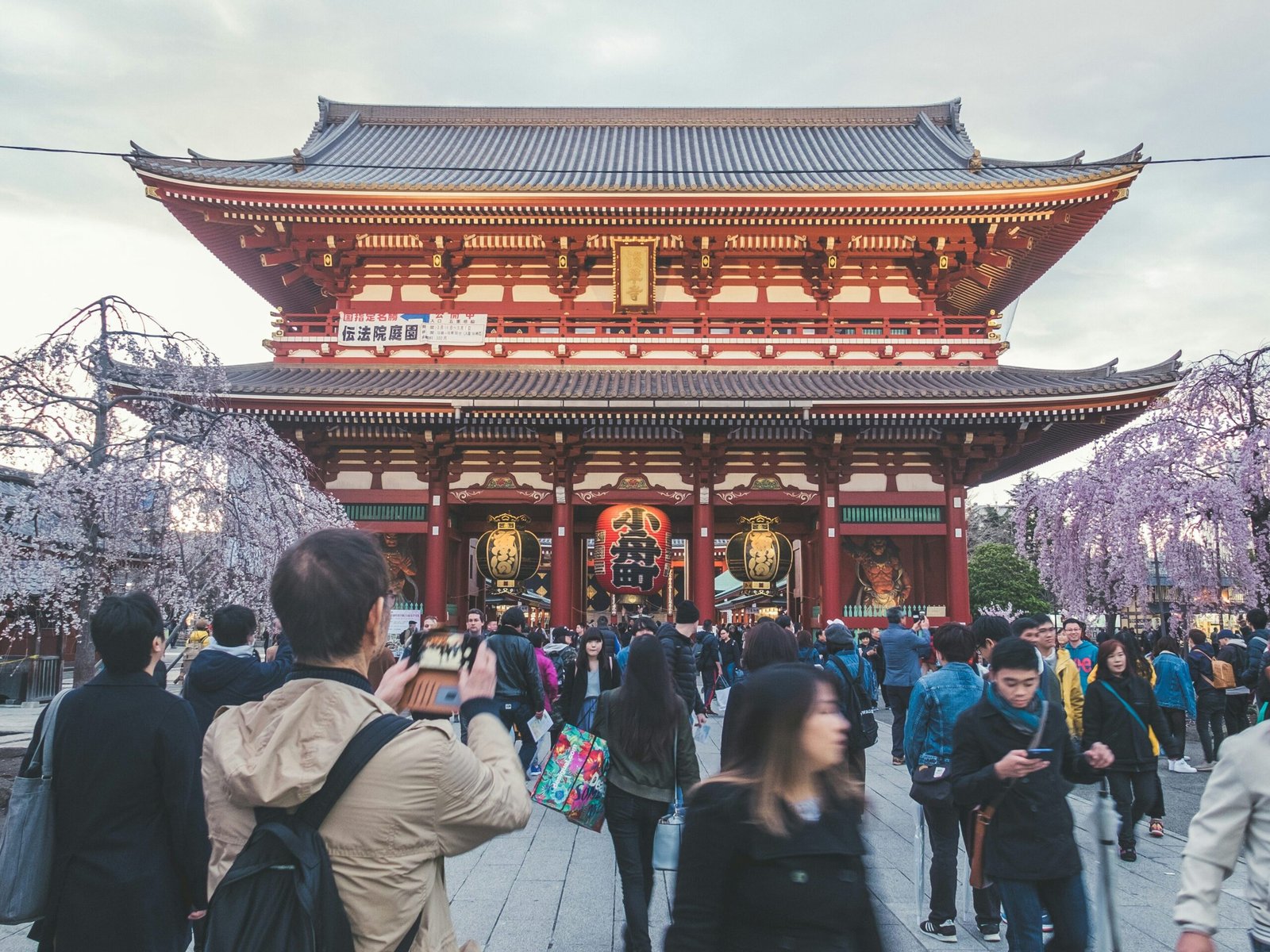
The key phrase is institutional discipline. Japan’s tourism development has not been a story of passive cultural inheritance. The Japan Tourism Agency has published multi-year strategies explicitly oriented toward regional dispersal and per-trip spending growth rather than raw arrivals volume. When Japan introduced entry fees to certain heritage sites in Kyoto and capped visitor numbers at specific temples, these were not emergency responses to overcrowding. They were consistent with a long-running articulation of what the destination intended to be. Access limits were framed not as restrictions but as preservation. That framing matters because it signals to the high-end traveler that what they are purchasing cannot be replicated by simply booking earlier or paying more. It has to be earned.
The SEA Volume Default
SEA tourism policy has consistently made different choices. When visitor volumes rise, infrastructure expands to absorb them. When hotel capacity increases, pricing power is distributed across more rooms. When crowd pressure at a destination becomes visible, the policy response tends to be operational rather than curatorial. More shuttle buses. More signage. More entry management. The logic is understandable given the immediate economic pressures on destination governments. Tourism employment and foreign exchange revenues are politically legible metrics. Per-visitor yield is a longer, less visible game.
The result is a tourism economy that scales in arrivals and struggles to scale in revenue per visitor at the same rate. Thailand, Indonesia, and Malaysia have each signaled at different points that they want to move toward quality tourism. The policy language has not consistently been matched by supply-side decisions. Resort development approvals continue to prioritize volume capacity. Heritage site access remains largely unmanaged. The hospitality training ecosystem, where it exists at all, is oriented toward service delivery at scale rather than distinctive, culturally embedded experience.
This is the gap that is hardest to close, not because SEA lacks the cultural richness to fill it, but because building the kind of experience grammar that Japan has developed requires patience that sits uncomfortably against quarterly tourism dashboards. For context on where the structural failures in SEA’s premium tier are most visible today, the Privilege Press breakdown of why SEA’s premium travel market remains structurally underserved maps where supply and demand are most misaligned.
What the Comparison Actually Reveals
The uncomfortable part of the Japan comparison for SEA tourism leaders is not that Japan has more cultural richness or better natural assets. Several SEA destinations have comparable or stronger claims on both. The uncomfortable part is that Japan decided what kind of destination it wanted to be before the volume pressure arrived, and then built institutional machinery to defend that decision when it became commercially inconvenient to do so.
There is a version of this question that gets debated at tourism conferences in Bangkok, Jakarta, and Kuala Lumpur: can SEA destinations pivot toward the premium-yield model without sacrificing the volume growth they have structured their hospitality industries around? The honest answer is that both things cannot be maximized simultaneously. Somewhere in that answer is the real reason the Japan premium remains unreplicated. It requires choosing one future over another rather than attempting to reach both at once.
Asking whether SEA can replicate the Japan premium as it exists right now misses the point. The relevant question is whether SEA destinations are making decisions today that will compound toward premium positioning over the next two decades, or whether they are still optimizing the next season’s arrivals figures. Those are two different projects, and the countries running the second one will not accidentally end up doing the first. It requires a deliberate decision to accept lower short-term volume in exchange for a higher long-term yield per visitor, and that tradeoff becomes harder to make, not easier, once the volume infrastructure is already in place. The industry analysis of [how Asia’s business travel recovery is revealing what travelers now expect from a trip](100. lifestyle-travel-asia-business-travel-recovery.md) makes clear that traveler expectations themselves are shifting. Destination strategy has not yet caught up with what the market is actually asking for.
Sources