Picture the couple in their late thirties who have stopped being interested in airports. They have been searching, specifically, for the right Southeast Asia luxury cruise. They have done the European river cruise twice. They have spent the kind of money on a resort holiday that made them feel briefly like a different version of themselves, then flew home to their real life. What they want now is contained access to multiple places they would not individually bother flying to, enough distance from other people to have real conversations, and a level of food and service that does not feel like compromise. They do not care deeply about the ship. They care about the collection of mornings a Southeast Asia luxury cruise itinerary delivers to them.
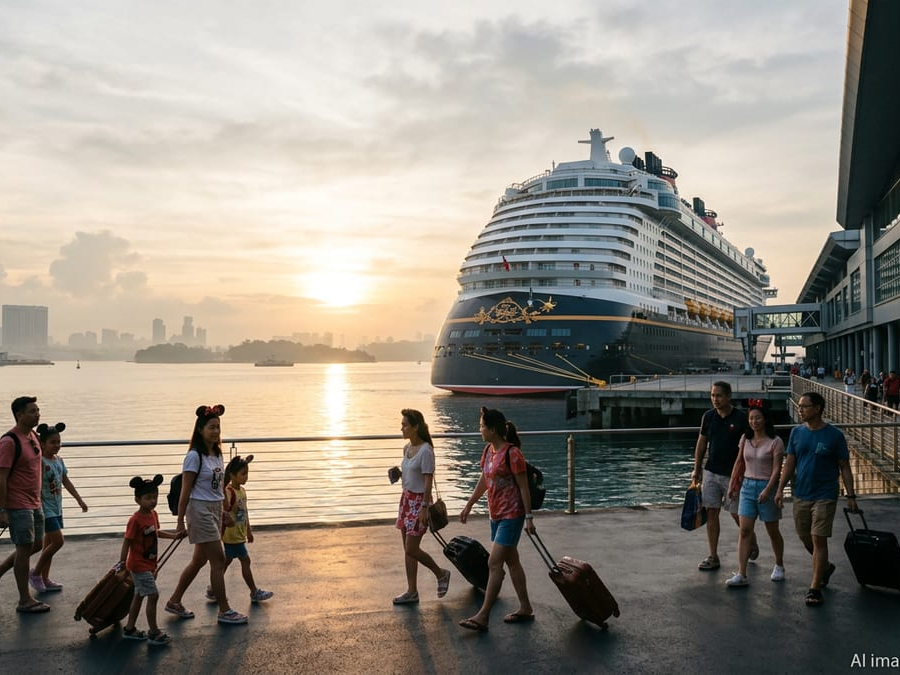
This is the new SEA cruise passenger. Not the retiree who was the demographic backbone of the industry for decades, and not the budget cruiser filling up a mass-market ship out of Singapore’s Marina Bay Cruise Centre. This is a younger, more regionally mobile traveler with specific preferences and a spending ceiling that surprises the operators who thought they understood the market.
Who Is Actually Driving the Rebound
The luxury cruise demand in Southeast Asia has rebounded faster than the regional cruise industry projected, and according to Cruise Lines International Association Asia Pacific market data, the composition of that rebound is different from pre-pandemic patterns. The fastest-growing segment is not the traditional older demographic traveling from Western source markets. It is the 35 to 55 year old professional from Singapore, Hong Kong, and increasingly from Jakarta and Kuala Lumpur, booking premium cabins on itineraries that cover the Andaman Sea, the Indonesian archipelago, or Vietnam’s northern coast.
This demographic shift matters because it changes what the cruise product needs to deliver. The older luxury cruise traveler was often buying familiarity: known brands, predictable quality standards, and a social environment populated with people similar to themselves. The new SEA luxury cruise traveler is buying something closer to curated itinerary design. They want ports that feel genuinely remote. They want the food and beverage experience to be specific to the places the ship visits, not a homogenized version of international fine dining. They want the ability to detach from online life without the specific discomfort of a beach resort where detachment feels deliberate and slightly forced.
The Singapore Tourism Board’s cruise statistics show Singapore remaining the primary embarkation point for luxury cruises across the region, with premium cruise passenger numbers returning toward and in some cases exceeding 2019 levels. The city’s infrastructure advantage here mirrors its broader positioning as the luxury travel transit hub for Southeast Asia, as explored in the Privilege Press analysis of [why SEA’s premium travel market remains structurally underserved](28. lifestyle-travel-sea-premium-market.md).
What This Behavior Is Replacing
Part of what is driving the new SEA cruise profile is a form of retreat from the kind of travel that became exhausting. The aggressively curated multi-destination holiday, with its flight connections and hotel check-ins and constant optimization of the itinerary, generates a specific kind of fatigue in people who are already living lives of high-frequency optimization at work.
A luxury cruise delivers geographic variety without the logistical cost of achieving it independently. You wake up somewhere new without having packed and unpacked. The social environment is bounded and manageable. The decisions have been reduced to which excursion to book and what to eat. For a traveler who makes dozens of consequential decisions before noon on a regular workday, this compression of choice is the format’s whole appeal, not a design limitation.
This is the same behavioral logic behind the slow travel shift that has been reshaping how mobile professionals move across the region, as the Privilege Press piece on how slow travel across SEA is changing more than the route explored. Longer stays, more contained experiences, and travel that asks less of the traveler in terms of operational management. The luxury cruise is a specific format within that broader movement toward reduced friction in how people choose to spend their leisure capacity.
What the Format Can and Cannot Deliver
The behavioral fit is real, but so are the format’s limits. The cruise itinerary is still at the mercy of the ship’s commercial logic, which means popular ports, crowded excursions at peak arrival times, and a destination experience mediated by the tender boat and the two-hour window. The travelers buying into the new SEA luxury cruise market are doing so partly on the assumption that premium cabins on smaller vessels deliver a fundamentally different experience than the mass-market ship. That is true in some respects and overstated in others.
The experience of arriving by ship at Komodo Island or Ha Long Bay alongside three other vessels carrying a combined several thousand passengers is a qualitatively different thing from the marketing copy that described an intimate encounter with the destination. The operators who understand the new traveler profile well enough are addressing this by building itineraries around less trafficked ports and adding genuine naturalist expertise to the expedition format. The ones who are simply repositioning existing products as premium without changing the underlying experience will lose the new cohort quickly. The Bali overtourism dynamic that the Privilege Press analysis of [what record arrivals at Bali’s most visited sites actually signal](27. lifestyle-travel-bali-overtourism.md) documented applies to cruise destinations too. Volume and premium experience are in genuine tension at scale.
The Signal Worth Watching
The SEA luxury cruise revival is not primarily a story about boats. It is a story about a traveler type that was not especially visible in the regional market five years ago and is now becoming a commercially significant force. A generation of SEA professionals who have exhausted the conventional travel formats, who have disposable income that exceeds their appetite for the logistics of independent luxury travel, and who are beginning to look for contained, curated experiences that deliver geographic richness without demanding constant decision-making from them.
Sources