The Johor Bahru cross-border living thesis is not new. It has appeared in personal finance circles, property forums, and expat Facebook groups for at least a decade. The pitch has always been the same: Malaysian property is dramatically cheaper than Singapore, the ringgit stretches further for daily expenses, and the commute, while real, is manageable if you time it right.
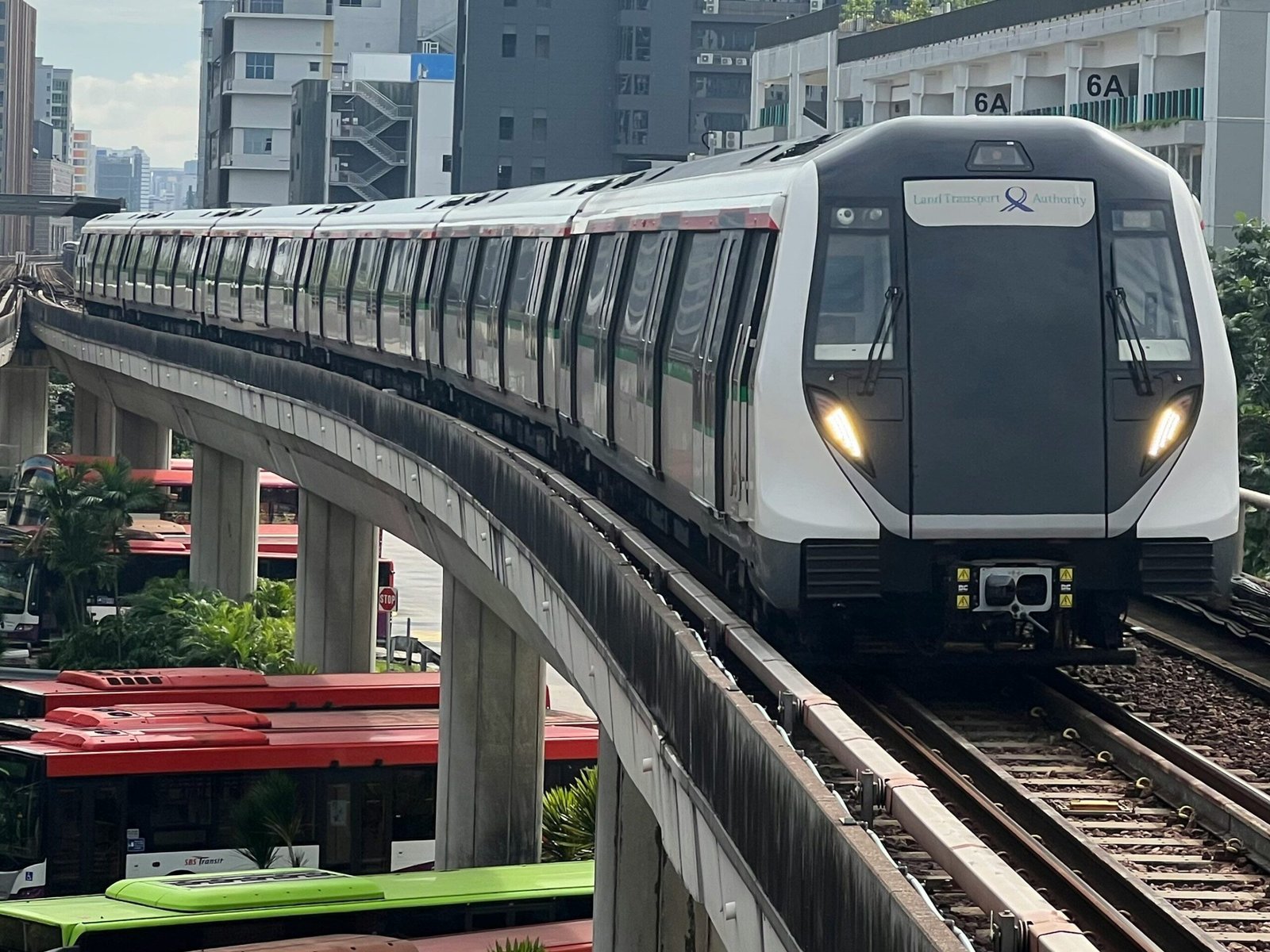
What has changed is the Johor Bahru–Singapore Rapid Transit System link. When the RTS opens — currently targeted for 2026 — the journey between Bukit Chegar station in JB and Woodlands North in Singapore drops to five minutes on the train, with total door-to-door times that proponents estimate at thirty to forty-five minutes for most Singapore journeys. That changes the commute calculus significantly enough that the cross-border living thesis deserves a serious financial rerun, not another lifestyle article about laksa and cheaper hawker food.
Why the Headline Rental Savings Don’t Reflect the Real Cost
The headline savings number that circulates in JB living discussions compares Singapore and Johor Bahru rental prices and presents the difference as money in your pocket. It is not. A more complete model looks different.
On the housing side, the comparison is real. A two-bedroom condo in JB’s Bukit Indah or Medini corridor rents for roughly RM 1,800 to RM 2,500 per month, approximately SGD 520 to 720 at current exchange rates. A comparable unit in Woodlands or Sembawang, Singapore’s nearest equivalent in terms of public transport connection to the CBD, costs SGD 2,500 to 3,200. The monthly savings on housing alone run to SGD 1,800 to 2,500 depending on your unit choice. That is the number that anchors the thesis.
The costs that complicate it sit on the other side. RTS fares have not been definitively announced but are expected to be comparable to MRT pricing — call it SGD 1 to 2 per leg, or SGD 40 to 80 per month for a daily commuter at five days a week. That is manageable. The larger cost is the second-order effects of the commute itself.
A cross-border commuter pays the Woodlands Checkpoint in time and occasional friction even with the RTS. Entry queues during peak hours, public holiday backlogs, and the occasional system disruption are not hypotheticals. They are structural features of a border crossing that processes over 200,000 people daily on a good day. The RTS reduces the frequency of long waits but does not eliminate the variability entirely. For someone with a nine-to-five in the Singapore CBD, the reliable forty-five minute door-to-door estimate becomes a sixty to seventy-five minute average with tail risk on bad days.
Healthcare, Currency Risk, and the Costs Most JB Models Miss
The costs that are consistently undermodelled in JB living calculations are healthcare, schooling if children are involved, and currency risk.
Healthcare is the most material. Singapore citizens and permanent residents with Medishield Life coverage are effectively outside the local healthcare system when they are injured or fall ill in Johor. Malaysian hospitals are good, and Hospital Sultanah Aminah and the private facilities in JB are competent for most conditions, but they operate on a full out-of-pocket basis for non-residents or on the basis of local insurance that Singapore-based expats often do not hold. A serious illness or accident in JB for someone whose insurance is Singapore-structured requires either an expensive private claim or a medical transfer across the causeway that adds cost and stress. This is a tail risk, but it is a real one and it costs either in insurance premiums or in unhedged exposure.
Currency risk is structural and frequently ignored because it has been benign in the recent environment. The MYR has strengthened somewhat against the SGD since its 2024 lows, but the relationship is volatile over a five-year horizon. Someone who signs a two-year JB rental and earns in SGD is naturally hedged — they benefit from MYR weakness. Someone who takes on a JB property purchase with MYR-denominated financing and earns in SGD is exposed to exchange rate movements that can erode the property economics materially if the ringgit strengthens. Most JB property purchases by Singaporeans involve some form of this exposure and the analysis rarely includes it.
The Specific Cohort for Whom JB Cross-Border Living Makes Sense
The people for whom the JB cross-border living thesis genuinely works are a more specific cohort than the generic “Singaporeans priced out of the market” narrative implies.
The strongest cases are Singaporean or Malaysian professionals who work in Singapore but have family ties to Johor — parents, extended family, or community connections that make the Malaysian side of the border feel like home rather than a cost optimisation. For these individuals, the commute is a cost they were already absorbing emotionally, and the financial formalisation of cross-border living is a natural extension of an existing pattern.
The second cohort that makes it work is people with work flexibility — remote workers, entrepreneurs, or people with schedules that avoid peak commute times. For someone commuting three days a week rather than five, the time cost drops significantly and the savings become easier to justify. The RTS makes this cohort substantially larger than the causeway bus corridor did, because it dramatically reduces the activation energy of a cross-border trip.
The cohort for whom the thesis works least well is families with school-age children enrolled in Singapore schools, or professionals whose job requires last-minute schedule changes, client dinners, or work events that extend into evenings. Cross-border living penalises unpredictability. Every unexpected late finish is a longer commute. Every school activity, social event, or medical appointment on the Singapore side is a trip that has to be planned rather than spontaneous. This is a real quality-of-life cost that does not appear in the financial model.
What Cross-Border Living Actually Saves: SGD 1,400 to 2,000 Per Month
A single professional or DINK couple, commuting five days a week, without children in Singapore schools, who can tolerate structured commutes and occasional friction, could realistically save SGD 1,400 to 2,000 per month versus a Singapore equivalent. Over a year, that is SGD 17,000 to 24,000 — meaningful money, compounded over several years, that can materially change a financial position.
That number is real. It is also smaller than the headline rental comparison implies, and it comes with a commute cost in time and variability that not everyone prices at zero. Whether it works depends less on the financial arithmetic and more on whether the life it requires is the life you actually want to live. For a specific cohort, it is — and the RTS has expanded that cohort in a way that deserves the attention it is getting.
For a broader analysis of the Singapore property market and the financial trade-offs around housing decisions, see our CPF housing and opportunity cost analysis. For how Singapore’s housing decisions compound into a structural financial commitment, see our analysis of the BTO queue as a financial decision.
Sources: