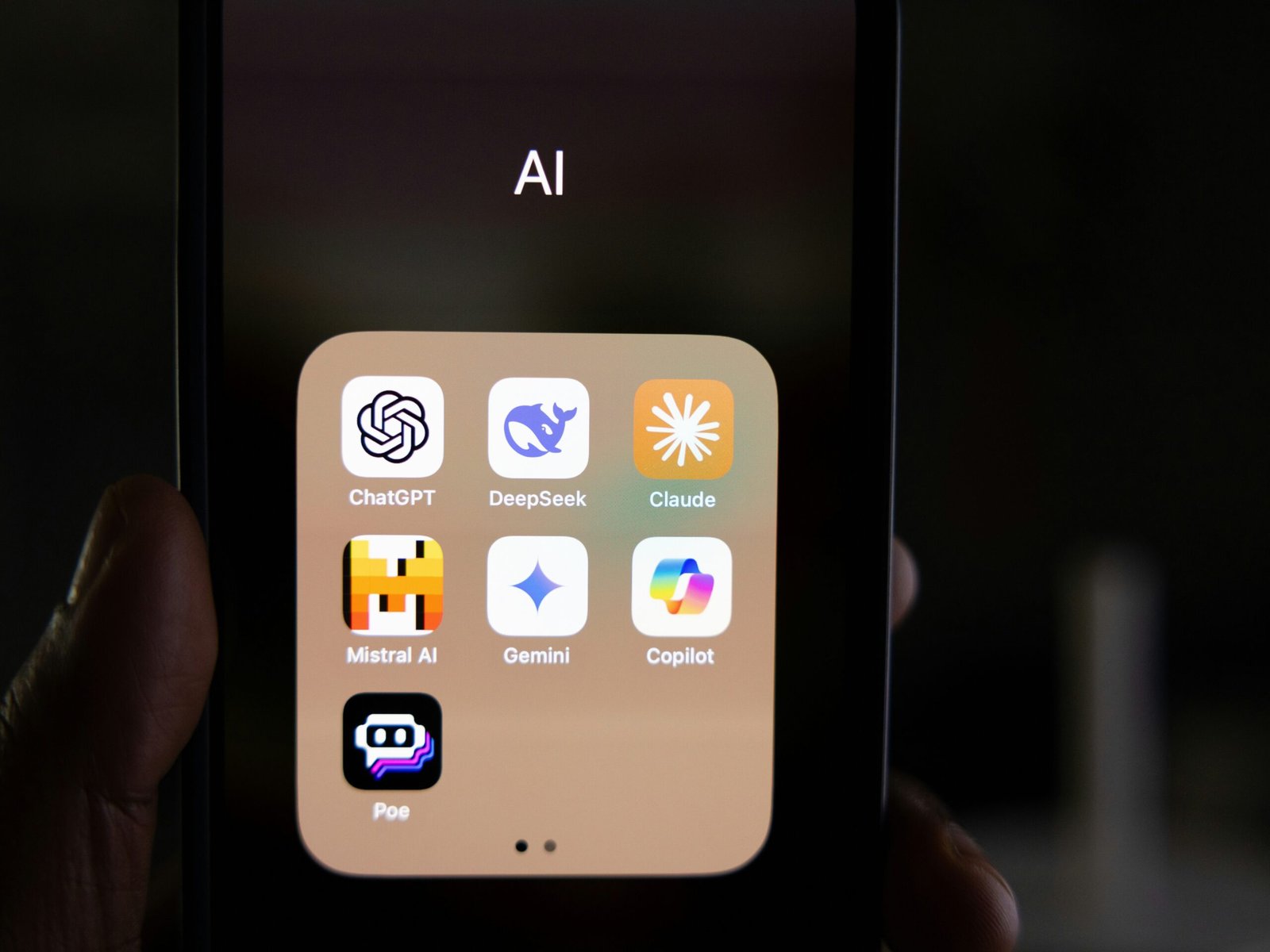
The reason Claude wins Asian enterprise pilots ChatGPT loses is not a benchmark story. The benchmark conversation matters in research labs and on Twitter. The pilot conversion conversation, which is what determines who actually gets bought into an enterprise stack, is shaped by procurement preferences, document workflow fit, and contracting flexibility. According to the Menlo Ventures 2025 State of Generative AI in the Enterprise report, Anthropic now commands roughly 40% of enterprise LLM spend, with OpenAI at 27% and Google at 21%. The rate at which Claude wins head-to-head pilots has been reported by TechCrunch at near 70% in enterprise comparison evaluations, based on data from enterprise observability platforms tracking actual deployments.
That global lead is concentrated further in Asia, particularly in regulated industries and document-heavy workflows. Singapore banks, Hong Kong asset managers, Jakarta legal teams, and Manila BPOs are converting Claude pilots into production at meaningfully higher rates than ChatGPT pilots. The pattern is consistent enough that vendor selection conversations across the region have shifted from “which AI” to “which Claude tier and which cloud”, which is a different conversation than the one OpenAI’s enterprise team is set up for.
The Long-Context Use Cases Driving Pilot Wins
Asian enterprise pilots tend to start in places American enterprises move to later. Legal review of long contracts. Compliance scanning across multi-year regulatory filings. Internal audit work over master data sets. Translation and summarisation of documents that mix English with one or more Asian languages. These workflows reward long context windows above almost any other model attribute, because the alternative is a chunking pipeline that introduces error at the seams.
Claude’s recent Opus 4.6 release with a one million token context window made the gap explicit. A one-million-token window holds roughly 750,000 words, enough to accept a full year of regulatory filings, a complete contract repository for a mid-sized deal, or a stack of medical records and depositions in one prompt without losing semantic continuity. ChatGPT’s enterprise tier offers competitive context capacity, but the pilot teams running comparison evaluations consistently report better performance from Claude on long-document recall, multi-document reasoning, and citation fidelity at scale. That is not a benchmark argument. It is a workflow output argument, and the people in the room making the buying decision are the ones whose unit cost on those workflows just dropped.
The compounding factor is that these long-document workflows are exactly the ones Asian regulators care most about. Singapore’s MAS, Hong Kong’s SFC, Indonesia’s OJK, and the Philippine BSP all run extensive supervisory document regimes. The financial services teams piloting AI in those markets are testing against compliance use cases first because that is where the document load is highest and the audit trail requirement is most stringent. Claude’s positioning, including its constitutional AI framing and its more conservative output behaviour on sensitive prompts, is a better procurement story for those teams than OpenAI’s consumer-first brand association.
The Procurement Conversation OpenAI Keeps Losing
The second factor is unglamorous but determinative. Asian enterprise procurement, particularly in regulated industries, runs longer cycles than American counterparts. As our coverage of why enterprise sales cycles in SEA run longer than planned detailed, the average SEA enterprise procurement cycle for a strategic vendor extends well past US benchmarks because of internal stakeholder management, regulatory clearance, and the conservative culture in which sign-offs accumulate.
Anthropic’s enterprise contracting flexibility, including its data residency commitments, its more granular usage commitments, and its willingness to engage on bespoke MSAs, fits that cycle better than OpenAI’s more standardised enterprise terms. The procurement officers in Singapore and Hong Kong who run final-stage vendor evaluations are not typically AI experts. They are evaluating a set of contracting attributes that look conventional on the surface, and Anthropic shows up looking like a more enterprise-native vendor on those attributes. OpenAI’s broader brand reach is, in a procurement context, sometimes a liability rather than an asset, because procurement defaults toward the vendor whose enterprise posture feels less consumer-shaped.
The third procurement layer is cloud. The recent Google commitment of up to $40 billion to Anthropic and Amazon’s parallel investment have created a situation where Asian enterprises with existing AWS or GCP estates can buy Claude through their incumbent cloud relationship without standing up a new vendor relationship. That is procurement gold. ChatGPT in enterprise typically requires either a direct OpenAI contract or a Microsoft Azure relationship. For an Asian bank already running AWS for core workloads, the path of least procurement resistance leads to Bedrock, and Bedrock leads to Claude.
Where ChatGPT Still Wins
The picture is not uniformly tilted. ChatGPT continues to win pilots in three areas across Asian enterprise. Marketing and creative content work, where the OpenAI product surface and the broader DALL-E and Sora integrations are more developed than Anthropic’s equivalents. Developer tooling for teams that built around the OpenAI API early and have institutional muscle memory in that direction, even though that share is being eaten by Claude Code. And consumer-facing AI features where the brand recognition of ChatGPT carries marketing weight that Claude does not yet have in the region.
These are real, but they are narrower than the headline coverage implies. As our analysis of how SEA enterprises actually deploy AI versus how marketing implies they do showed, the deployments that get into production look meaningfully different from the deployments that get into press releases. The press releases are still ChatGPT-heavy. The production stacks are increasingly Claude-led.
What Buyers Should Actually Evaluate
For an Asian enterprise running a pilot in 2026, the practical evaluation criteria are clearer than the marketing makes them. Test long-context reasoning on the actual document corpus the workflow uses, not on a benchmark dataset. Run the procurement conversation in parallel with the technical evaluation, not after. Evaluate cloud-side options including Bedrock and Vertex AI rather than defaulting to the model vendor’s direct contract. As our coverage of where wrapper-style AI deployments fall short of real implementation documented, the implementation depth gap matters more than the model selection gap once a workflow goes into production.
The deeper observation is that the Claude-versus-ChatGPT framing is itself becoming the wrong question. The right question for most Asian enterprise buyers in 2026 is which combination of long-context model, agentic orchestration layer, retrieval system, and cloud delivers the workflow outcome they need at acceptable cost and risk. Claude shows up in more of those answers than ChatGPT does, because the specific things Anthropic has prioritised align with what Asian enterprise procurement and regulated workflows reward. That is not a permanent state. It is the current state. The buyers who recognise it now are running cleaner pilots and reaching production faster than the ones still defaulting to the most recognised consumer brand.