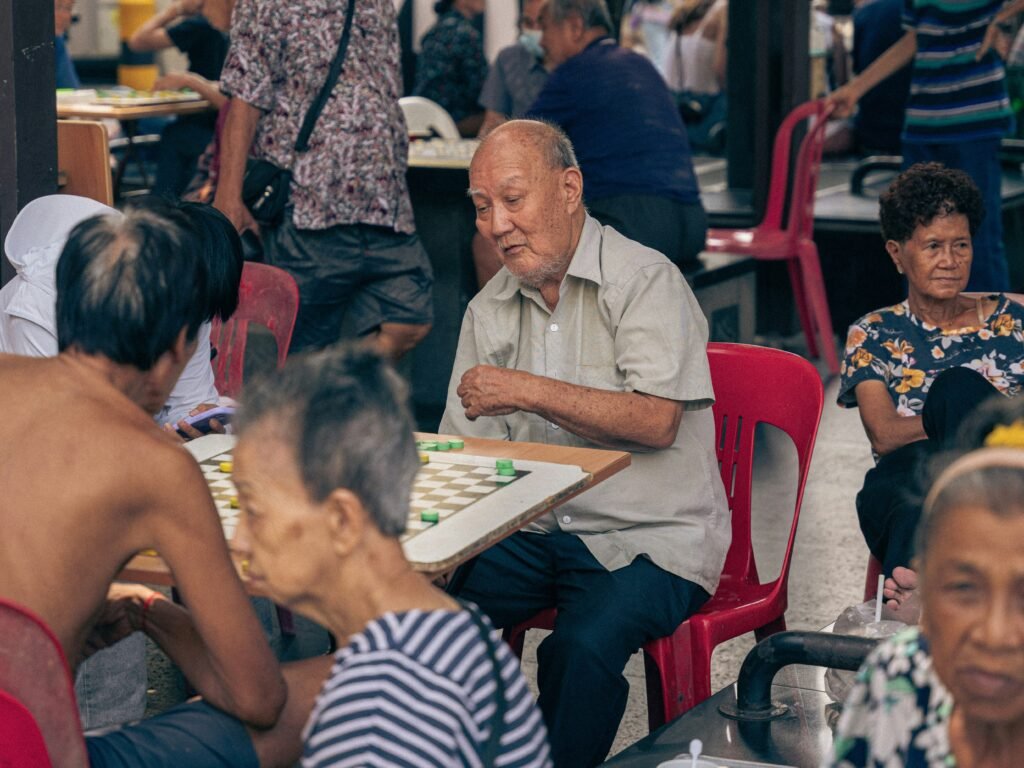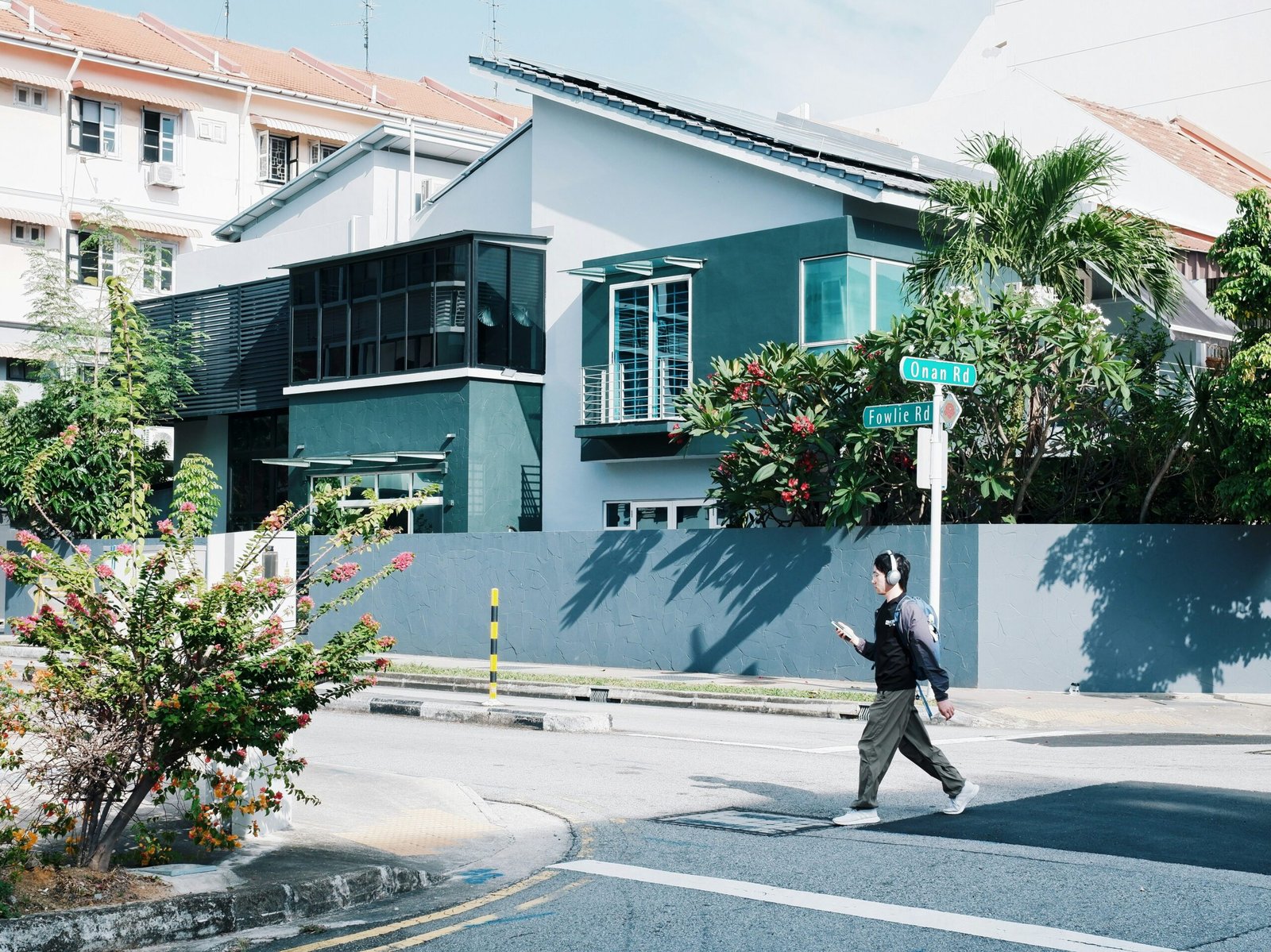
Multi-generational homes in SEA have moved from cultural default to financial workaround. Across Singapore, Kuala Lumpur, Bangkok, and Manila, more households now share one address across two or three generations because it is the only way the maths works. That arrangement solves real problems. It pools capital that no single household could carry alone. It absorbs caregiving when parents age. It stretches city affordability into the next decade.
What it also does, quietly, is concentrate risk in a structure most families have never written down. The crisis usually arrives years later, when one party wants out, one party stops contributing, or one party dies and a will collides with assumptions no one tested.
Why More Households Are Sharing One Address
Singapore prices set the tone for the region. With four-room HDB resale prices having climbed sharply over the past five years before the recent moderation, and one-bedroom condos starting from the high six figures, a single working adult cannot buy a home alone in most of the island. A couple can, with discipline. Three earning adults pooling resources can suddenly afford a place that gives everyone real space.
Bangkok and Manila tell a similar story with different mechanics. Headline condo prices have climbed faster than wages for nearly a decade, and the multi-generational arrangement now functions as the only realistic homeownership pathway for many middle-class families.
Demography reinforces the pattern. Adult children are marrying later, switching careers more often, and accumulating wealth more slowly than their parents did at the same age. The 2025 SingStat household income data showed median household market income still rising, but the income-to-property gap has not closed at the pace property prices ran. The shared home is no longer the alternative. For many SEA households it is the route in.
The Three Structures That Actually Hold Under Stress
The mistake most families make is treating the multi-generational home as a moral arrangement rather than a financial one. They decide to buy together based on emotional consensus, defer the awkward questions about ownership and exit rights, and hope the goodwill survives the next financial shock.
The structures that actually hold under stress fix three questions in writing before keys change hands. Who owns what share. Who pays what each month. What happens when someone wants out, falls sick, or dies.
Single-name ownership with documented contributions is the simplest version. One adult, usually the strongest income earner or the parent in greatest housing need, owns the property in their name. Other household members contribute monthly amounts toward the mortgage and ownership costs, documented either as a loan repayable on sale or as a formal lease. Risk concentrates on the owner, but the lines are clean.
Joint ownership with a deed-level split distributes risk across two or more names, each holding a defined percentage. Contributions toward mortgage, maintenance, and the property tax bill scale to that percentage. An exit clause spells out what happens if one owner sells their share, dies, or stops contributing. This is more legally complex up front and far more robust later.
A trust or holding company sits over the top for substantial properties or families with cross-border tax exposure. Family members hold beneficial interests rather than direct title, which buys flexibility in how ownership transfers across generations. The administrative cost rules it out for most SGD 1 to 2 million homes, but it earns its keep on larger or multi-asset family balance sheets. The full ownership cost picture for any of these structures sits in our earlier piece on why buying a home in Singapore costs more than the sticker price, which the family should price into the brief before key collection.
Singapore households should also know that an HDB 3Gen flat carries its own structural rules. The HDB types-of-flats reference confirms 3Gen units are restricted at resale to other multi-generation households, which limits liquidity in a way the standard four- or five-room flat does not. That liquidity haircut belongs in the financial model from day one.
What Happens When the Structure Stays Verbal
The moment a multi-generational arrangement stays verbal, the conflict becomes a question of when, not if. The parent who contributes from pension income assumes they are building inheritance value for grandchildren. The adult child carrying most of the monthly mortgage assumes they are accumulating equity that will fund the next generation’s housing. A spouse contributing to bills is unsure whether ownership rights survive a divorce.
When the property eventually sells, the maths the family never spoke about hits the table at once. Someone feels short-changed. Someone feels entitled to a share the legal structure does not deliver. The fight is rarely about the property itself. It is about the assumptions that lived in everyone’s head and never matched.
This is the same financial-misalignment failure mode we covered in the relationship tax that breaks even high-trust couples, scaled up by one generation and one or two more parties.
Tax, Inheritance, and the Caregiving Line Item
Tax treatment of a multi-generational home varies by jurisdiction. Singapore does not tax capital gains on residential property held by residents, but the property tax rate jumps progressively when a property is non-owner-occupied, which catches families who quietly let the registered owner move out. Thailand and the Philippines apply capital gains and transfer taxes that materially change disposal economics.
Inheritance is the other live wire. Sole ownership routes the property through the registered owner’s estate, exposing it to probate timing and any applicable estate tax. Joint ownership without a documented agreement is worse, because surviving owners and beneficiaries can hold competing claims that no one wrote down. A property meant to house a family for twenty years needs an answer for what happens to it in year fifteen if a parent dies. Avoiding the question does not slow the question down.
Caregiving deserves its own line item. If an aging parent needs daily assistance, that labour has economic value. The honest version of a multi-generational arrangement names who provides the care, what it would cost to outsource, and how that contribution maps against monthly cash payments. One child contributing less in money and more in caregiving may be carrying more weight than the spreadsheet shows. The agreement should reflect it.
The Uncomfortable Conversation That Holds the House Up
The agreement does not need to be a long legal document, although for substantial properties or complex family circumstances it usually should be. It needs to be written, not just discussed. It needs to specify ownership shares, monthly contributions, what triggers a renegotiation, and what happens if someone wants out, falls ill, or dies. It needs revisiting at least annually and any time something material changes. A job loss, a divorce, an aging parent’s health turn, or a new grandchild all change the inputs.
Most importantly, it needs to be made without resentment. If any party feels they are subsidising the others rather than getting their share of housing, caregiving, or family connection, the arrangement will not hold. The structural floor under HDB resale prices means most Singapore multi-generational households are also sitting on a sizable concentrated asset, which raises the stakes when the structure fails.
The financial structure is not a transaction. It is the architecture that lets the emotional and practical reality of shared housing survive actual life, not the version of life everyone hoped for at the start.